

Bitter taste receptors in your gut act as chemical sensors that detect bitter substances in herbal medicines including Hops, Feverfew, Gentian, Wormwood, Tangerine, Andrographis, and Phellodendron.
When these receptors are activated, they signal enteroendocrine cells in your gut lining to release GLP-1, a hormone that regulates blood sugar and promotes feelings of fullness thereby promoting insulin secretion and improving overall metabolic health.
This interaction is a key mechanism for regulating glucose homeostasis, appetite, and satiety through the gut-brain axis.
Additionally, GLP-1 signalling in the brain can modulate taste perception, enhancing bitter aversion and suppressing responses to sweet stimuli.
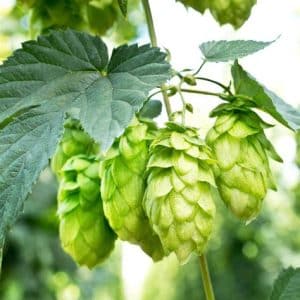
Scientific studies demonstrate that bitter herbs can be an important part of a holistic prescription for metabolic health. Incorporating bitter herbs as herbal tinctures may help to increase natural incretin secretion, modulate appetite, and reduce energy intake, thereby improving glycaemic control and body composition.
Incretins are gut hormones that signal to the body to manage food intake and blood sugar after eating.
Incretins metabolic effects include modulating appetite and satiety, and enhancing insulin secretion and bile acid release, potentially leading to healthier blood glucose control and lipid profiles.
The two main incretins are GLP-1 (glucagon-like peptide-1) and GIP (glucose-dependent insulinotropic polypeptide), while CCK (cholecystokinin) and PYY (peptide YY) are additional gut hormones that work alongside them to regulate hunger and digestion.
- GLP-1 acts like a “stop and store” signal: it tells the pancreas to release insulin to lower blood sugar, slows down how fast food leaves the stomach, and sends signals to the brain to reduce appetite and promote fullness.
- GIP primarily helps the pancreas release insulin in response to glucose, though it has less impact on appetite than GLP-1.
- CCK and PYY function as strong satiety signals.
- CCK is released when fats and proteins enter the digestive system, triggering the gallbladder and pancreas while also signalling the brain to stop eating.
- PYY is released later in the digestive tract to further suppress appetite and slow down gut movement, ensuring nutrients are absorbed efficiently before the next meal.
Clinical Evidence for Bitter Herbs, Incretin Secretion and Appetite Control
Scientific studies of bitter tastants showed a statistically significant reduction in energy intake, compared to placebo (approximately 17%).
In a randomised controlled trial, administration of a Hops extract prior to eating significantly increased the natural secretion of gut hormones GLP-1, CCK and PYY.
In two randomised cross-over studies, the administration of Hops extract during a 24 hour fast significantly reduced perceived hunger and food cravings. In one of these studies, this reduction in hunger was accompanied by a reduction in energy intake at the fast-break meal (14% lower than placebo).
Other studies have found Hops extract supplementation resulted in improvements in glycaemic control, BMI, and total fat area in patients with prediabetes, and in visceral fat, body fat ratio and energy intake in overweight healthy people.
Gentian, Andrographis, and Curcumin have also been demonstrated to increase GLP-1 secretion in humans. Gentian administration was also associated with reduced energy intake, and Curcumin supplementation also significantly reduced hepatic fat content, body weight and body mass index.
All of the above herbs exert other functions and benefits so it is best to book a consultation for a personalised prescription to best suit what is happening for you here and now.